
Sinofn Health Sinofn Health

How to Choose the Best Collagen Beauty Products?

Time:2026-09-28 Author:Madeline
0%

Choosing the right Collagen Beauty product starts with a simple question: what do you want it to do? A cream, a powder, and a capsule are not interchangeable. Topical collagen can help moisturize skin, while oral supplements are marketed for broader support. Evidence varies by product, dose, and study quality. Labels deserve a close look.

Dermatologist Dr. Joshua Zeichner explains, “Collagen is a protein that helps provide structure to the skin.” That useful reminder also sets a limit: a product cannot promise to rebuild skin simply because its label features collagen. Look for clearly listed ingredients, the collagen form and amount, manufacturer details, and independent quality testing where available. Check for allergens, too. Be wary of dramatic before-and-after claims. They can hide more than they show.

This guide will compare product types, explain how to read labels, and discuss what research can—and cannot—tell us. It will also cover realistic expectations, safety considerations, and questions to ask a qualified healthcare professional, especially if you have allergies, take medication, or are pregnant or breastfeeding. Small print matters. So does patience. One point is easy to miss: a higher price does not prove better results. And the evidence is still uneven. Choosing well means balancing personal needs with credible information, not chasing a flawless-skin promise.
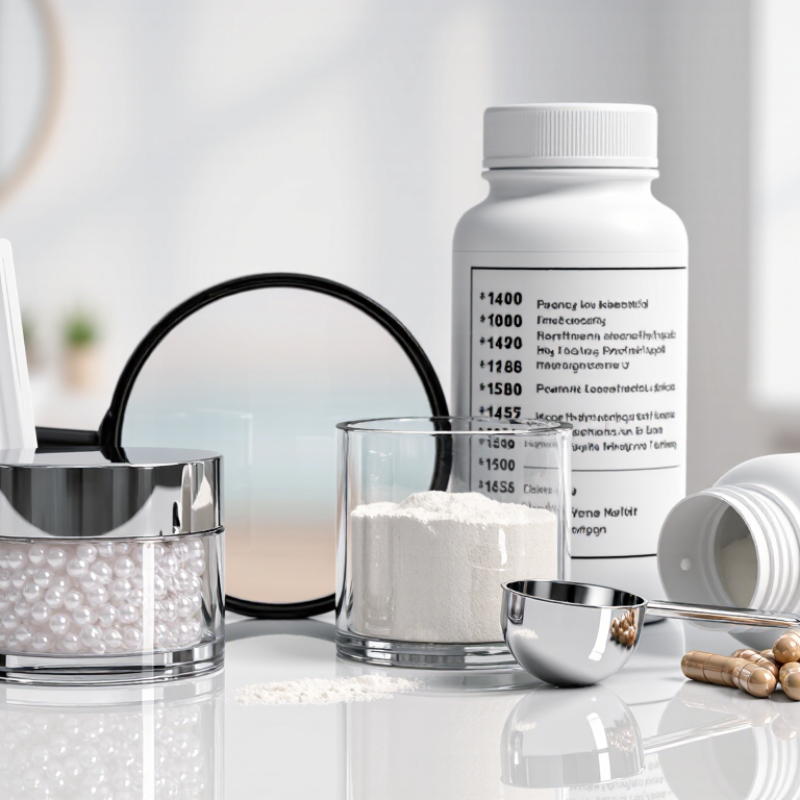
How to Choose the Best Collagen Beauty Products?

Understand Collagen Beauty Products and Their Intended Uses

Collagen beauty products are not all designed to do the same job. A cream or serum is applied to the skin, often to soften dryness and improve surface feel. Collagen in these formulas mainly acts as a moisturizing or film-forming ingredient; it does not simply travel through the skin and rebuild deeper collagen. Think of it as care for the surface. That distinction matters.

Powders, capsules, and drinks are intended to provide collagen peptides for digestion and absorption, not to work like a face cream. Some studies suggest modest improvements in skin hydration or elasticity after regular use, but results vary and research quality differs. Benefits are not guaranteed. Check the serving size, added ingredients, allergen sources, and whether the product fits your diet. Ask a qualified clinician if you are pregnant, managing a condition, or taking medication.

Match the format to your goal: topical products for immediate moisturization, or oral supplements for a longer-term nutritional approach. Neither replaces sunscreen, balanced nutrition, or prescribed care. Read claims skeptically, especially promises of dramatic wrinkle reversal. Labels can be confusing, and a higher price is not proof of better evidence. Patch-test new skincare and stop if irritation develops.

Compare Product Types, Collagen Sources, and Formulations

How to Choose the Best Collagen Beauty Products?

Compare Product Types, Collagen Sources, and Formulations

Collagen products come in powders, capsules, ready-to-drink liquids, and topical creams. The best format is one you can use consistently. Powder stirs into oatmeal or coffee, though it may clump in a cold drink. Capsules are portable, but check how many make up one serving. Ready-to-drink products are convenient; compare their sugar and serving sizes. Creams can soften dry skin. Their collagen generally acts as a surface moisturizer, rather than rebuilding collagen deep in the skin. Small distinctions matter.

Check the collagen source and form. Common sources include bovine, marine, porcine, and poultry collagen. Choose one that fits your dietary preferences and allergies, and look for clear sourcing and independent quality testing. Hydrolyzed collagen peptides are broken into smaller pieces for easier mixing; this does not guarantee a visible beauty benefit. Evidence for oral collagen is developing, and results can vary. Look closely at the ingredient list, too: added vitamin C may suit some formulas, while sweeteners or flavorings may not suit everyone. I would not treat one week of smoother-looking skin as proof. Keep expectations measured, and ask a qualified health professional if you have health concerns or take medication.

Evaluate Ingredients, Dosages, and Supporting Evidence

When choosing collagen beauty products, read the full ingredient panel, not just the front label. Look for the collagen source, peptide form, serving size, and any added ingredients.

The 2021 systematic review in the International Journal of Dermatology analyzed 19 studies involving 1,125 participants. Tested doses commonly ranged from 2.5 to 10 grams daily, with study periods varying from 8 to 24 weeks.

These figures describe research protocols, not a guaranteed effective dose for everyone.

Evidence is promising, but not settled. The review reported improvements in measures such as skin hydration and elasticity, yet trials differed in products, duration, and methods. Some were small or short. A smoother-looking cheek in a study is not proof that every tub will deliver the same result.

Check whether a product provides its collagen amount per serving, rather than hiding it in a blend. Also consider allergies and dietary needs, since collagen commonly comes from animal sources.

Third-party testing can support quality checks, but it does not prove beauty benefits.

Tips: Compare the label with published study doses, and keep your expectations modest. Take a clear photo in the same lighting after several weeks; memory can exaggerate small changes. If the evidence feels messy, that is because it is.

Check Quality Standards, Safety Information, and Potential Interactions

When comparing collagen beauty products, read the full label, not just the front-panel claims. Check the collagen source, serving size, and other active ingredients. Fish, bovine, and poultry sources may matter if you have allergies or dietary restrictions. Look for clear quality information, such as batch testing by an independent laboratory for identity and contaminants. A certificate should match the specific product or batch; vague “tested” language tells you little. Keep the package nearby. I once found a serving size easy to miss in small print, and that detail changed how I compared two products.

Safety depends on the whole formula and your health, not collagen alone. Review warnings, allergens, and added ingredients such as herbs, vitamins, or sweeteners. These may create concerns or interact with medicines, while evidence about collagen-specific interactions remains limited. Ask a pharmacist or clinician before use if you take prescription drugs, have a chronic condition, are pregnant, or are breastfeeding. Bring the exact label, since formulations differ. Topical products and ingestible supplements also have different uses and risks; do not assume evidence for one applies to the other. Be cautious. Claims of guaranteed results deserve skepticism, and even reputable testing cannot predict how your body will respond.

Choose a Product That Fits Your Needs, Preferences, and Budget

Start with the change you hope to see: better hydration, a simpler routine, or a product that fits your diet. Be specific. Topical creams and serums mainly address the skin’s surface, while oral collagen peptides have been studied for skin outcomes. Research is still developing, and results differ between people. Neither format is a guaranteed fix. Choose something you can use consistently, not a product that sounds impressive but sits untouched in a drawer.

Check the serving size, full ingredient list, allergens, and monthly cost rather than comparing package prices alone. If you dislike sweet flavors or mixing powders, capsules or a topical product may suit you better. Small details matter. Look for transparent labeling and independent quality testing where available; these checks do not prove a product will improve your skin. Ask a clinician or pharmacist if you have allergies, take medication, or are pregnant or breastfeeding. Set a realistic spending limit and try one change at a time. That makes it easier to notice irritation, taste fatigue, or simply no meaningful difference. Honestly, comparing claims can be tiring. Convenience and tolerability are imperfect guides, but they often matter more in daily use than a glossy promise.

FAQS

What do collagen creams and serums do?

They mainly moisturize the skin’s surface and can soften dry patches. They do not simply rebuild deeper collagen.

How are oral collagen products different?

Powders, capsules, and drinks provide collagen peptides for digestion and absorption. Some studies suggest modest skin benefits, but results vary.

Which product format is easiest to use?

Choose one that fits your routine. Powder may clump in cold drinks, while capsules can require several per serving. Convenience matters.

What collagen sources should I check?

Common sources include bovine, marine, porcine, and poultry. Check the label for allergens and dietary preferences.

Does hydrolyzed collagen guarantee visible results?

No. It may mix more easily, but that does not guarantee a beauty benefit. Evidence is still developing.

What quality details should I look for?

Check the serving size, full ingredient list, and clear sourcing. Independent batch testing can offer useful information. Vague claims tell little.

Can collagen products interact with medicines?

Added herbs, vitamins, or other ingredients may raise concerns. Ask a clinician or pharmacist if you take medication or manage a condition.

How should I set expectations?

Neither creams nor supplements guarantee dramatic changes. A higher price proves little, and one week of smoother skin is not strong evidence.

What should I do before trying a new product?

Patch-test skincare and stop if irritation develops. For supplements, review the exact label with a clinician if pregnant or breastfeeding. Labels can be confusing.

Conclusion

Choosing the best Collagen Beauty product starts with understanding what you want it to support, such as skin appearance, hair, nails, or a convenient addition to your daily routine. Compare available formats, collagen sources, and formulations, paying attention to ingredients, serving sizes, and how clearly the product explains its intended use. Consider whether the formulation suits your dietary preferences and whether the evidence provided gives you a reasonable basis for evaluating its claims.

Before choosing, review quality and safety information, including testing or manufacturing standards, possible allergens, and any ingredients that could interact with medicines or existing health needs. If you are unsure, seek advice from a qualified healthcare professional. Finally, weigh convenience, taste, cost per serving, and consistency of use against your priorities. The most suitable option is not necessarily the most expensive; it is one that fits your needs, preferences, and budget while offering clear, credible information.

Madeline

Madeline

Madeline is a dedicated marketing professional with a wealth of expertise in our company's core offerings. With a keen understanding of the industry, she brings a unique perspective to her role, consistently delivering high-quality content that highlights the superior aspects of our products. As......