 Sinofn Health
Sinofn Health
Sinofn Health
Prebiotic Collagen has emerged as a significant player in the health and wellness market. Reports indicate that the global collagen market is expected to reach $6.63 billion by 2025, driven by growing consumer awareness of gut health and skin elasticity. Prebiotic Collagen, which combines collagen's benefits with prebiotics, enhances digestive health and skin vitality. A study by the Journal of Clinical and Aesthetic Dermatology shows that collagen supplementation can boost skin elasticity by 20%.
Selecting the best Prebiotic Collagen product can be challenging. Consumers must consider ingredient quality, source of collagen, and the presence of effective prebiotics. Not every product on the market meets high standards for efficacy. A 2021 report highlighted that 30% of collagen products lack sufficient quality control. This inconsistency stresses the need for informed choices.
As you explore your options, reflect on your individual needs. The right Prebiotic Collagen can improve skin texture and digestive health. However, not all formulations are equal. It’s essential to scrutinize labels and research manufacturers.
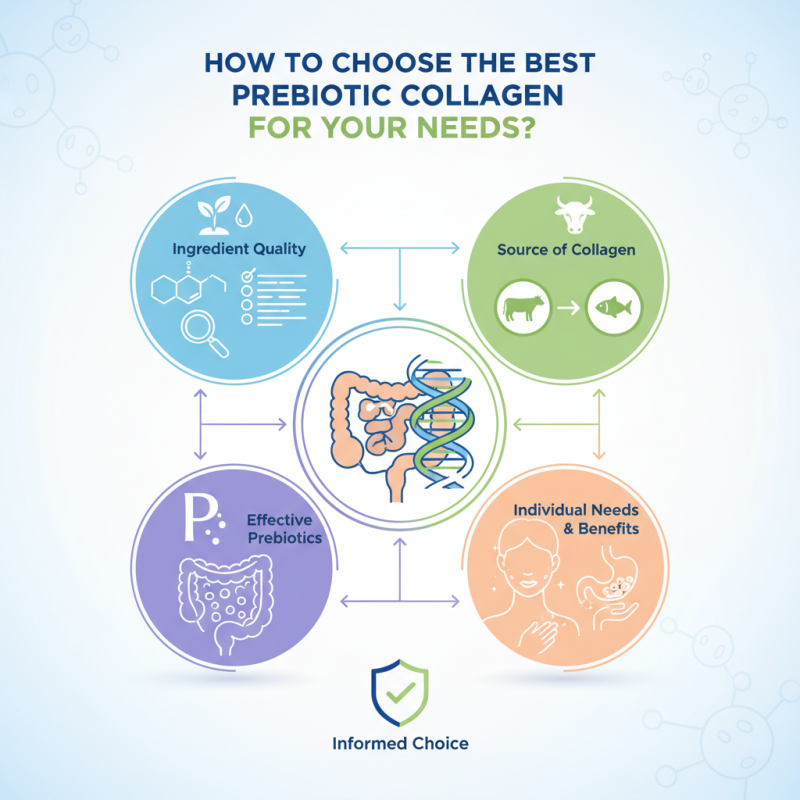
Prebiotic collagen is gaining attention for its health benefits. It combines the advantages of collagen with the properties of prebiotics. These elements help your gut health and skin elasticity. Research suggests that a healthy gut can lead to improved skin conditions. Collagen supports skin hydration and reduces signs of aging. This synergy promotes overall wellness.
Understanding the benefits of prebiotic collagen is essential. It nourishes beneficial gut bacteria, enhancing digestion. A well-functioning gut can influence how your body absorbs nutrients. This can affect skin health, too. By choosing a prebiotic collagen supplement, you may improve your skin texture, tone, and firmness. However, not all products are the same. Ingredients vary widely, and some may not deliver promised results.
Before purchasing, consider your individual needs. Are you looking to improve skin elasticity or gut health? Assess the source of collagen and the type of prebiotics used. This will help you make informed decisions. Remember that supplements are not a magic solution. They work best alongside a balanced diet and healthy lifestyle. It’s important to reflect on what your body truly needs.
: Prebiotic collagen combines the benefits of collagen and prebiotics, supporting gut health and skin elasticity.
It helps improve skin hydration, texture, and firmness while reducing signs of aging.
Yes, it nourishes beneficial gut bacteria, enhancing digestion and nutrient absorption.
Consider the source, type of prebiotics, and individual health goals before purchasing.
No, ingredients vary widely. Some products may not deliver the promised results.
High-quality ingredients ensure better absorption and effectiveness. Research each component's benefits.
Look for third-party testing and transparency in sourcing and manufacturing practices.
Yes, supplements work best with a balanced diet and healthy habits. Reflect on your body’s needs.
Avoid products lacking clear information about ingredients or manufacturing processes.
No, it is not. Supplements support health but require a holistic approach to wellness.
When selecting the best Prebiotic Collagen for your needs, it's essential to first understand what Prebiotic Collagen is and the benefits it offers for gut health and skin elasticity. Identifying your specific health goals, whether for improving skin, joint health, or overall wellness, will guide you in choosing the right type of supplementation.
Next, it’s crucial to evaluate the quality of ingredients in various Prebiotic Collagen products. Look for high-quality sources that contain additional prebiotic fibers to enhance absorption and efficacy. Additionally, comparing different formulations on the market and carefully reading labels will help you identify key information such as collagen type, source, and other beneficial components. By following these steps, you can make an informed decision and find a Prebiotic Collagen that aligns with your health aspirations.
